
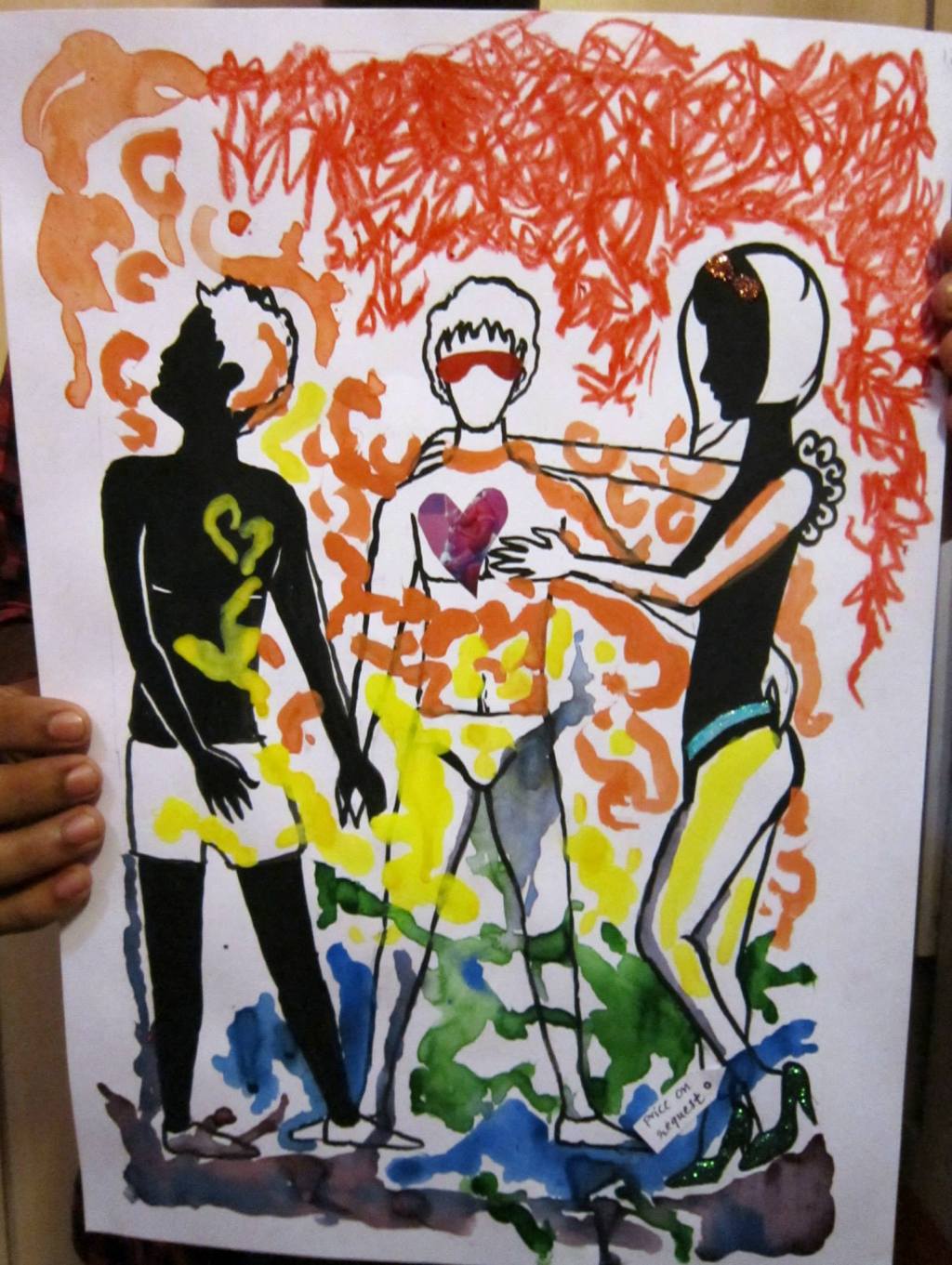
Prima facie, fears do seem to be obstacles to success. Often we freeze or flee when confronted by challenging situations. If we allow these fears to limit us, to shut out our sense of possibility, then yes — they can stymie success. But if we learn to harness them, to see them not as cages but as catalysts, our fears can become the very energy that helps us live out our wildest dreams.
But before we explore the role that fear plays in one’s success story, we must first ask: what does success really mean?
As gay men, the narratives of success we inherit from mainstream culture — the promotion, the house, the spouse, the 1.9 children — have rarely included us. For generations, queer success was defined by survival itself: living through ridicule, silence, invisibility, and laws that criminalized our love. Even today, though Section 377 has finally been read down, the absence of marriage equality, inheritance rights, and social safety nets remind us that equality on paper is not the same as acceptance in life.
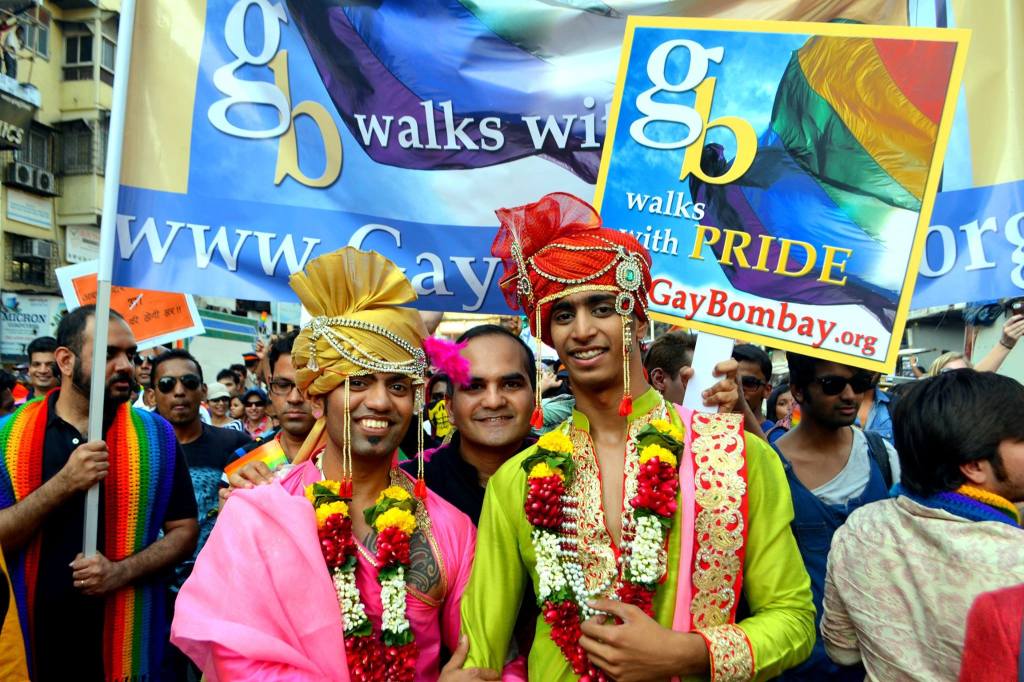
So, what does success mean in a world that has never quite made space for us?
Ancient Eastern philosophers taught that success lies within — that the true purpose of life is to escape cycles of suffering and rebirth. Perhaps then, for queer people, success is not conquest but integration: the ability to live authentically, to love freely, to be seen and still remain whole. Fear, in that sense, becomes both teacher and test — a mirror reflecting what parts of us still yearn for safety, and what parts are ready to soar.
Let us test this idea in two domains: one deeply personal — love, and one seemingly neutral — investing.
Fear in Investing
Success in investing requires patience, awareness, and emotional balance. Like friction, fear can enable movement when present in the right amount. It slows us down just enough to think before we leap. In an overheated bull market, fear acts as the quiet voice of reason, urging us to lock in profits, to remember that what goes up must also come down.
But in a crashing bear market, that same fear can paralyze us. Surrounded by panic, we internalize collective dread, forgetting that this too shall pass. We sell good assets at their lowest point, mistaking the darkness before dawn for the end of the world. Here, fear blinds us to the transient nature of life’s cycles — in markets and in our own journeys alike.

Fear in Love
And then there is love — a more intimate, more treacherous terrain. Many gay men carry the residue of childhood trauma: bullying, name-calling, isolation, the suffocating silence of not being “normal.” Add to that the fear of being outed, of rejection by family, of ridicule in the workplace — and fear becomes a constant companion.
These fears shape how we love. Some of us hesitate to come out, to hold hands in public, to trust too easily. Others wear confidence like armor, hoping visibility will exorcise vulnerability. In truth, both are strategies of survival. Fear warns us of real dangers — harassment, blackmail, violence — but it can also rob us of the joy of intimacy and the beauty of emotional risk.
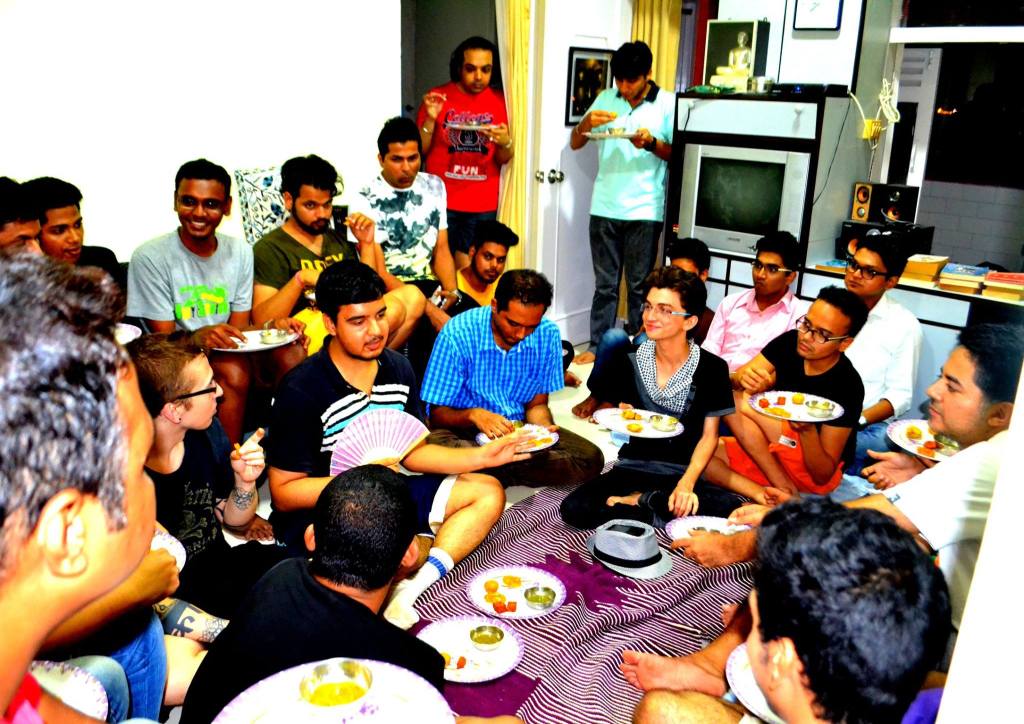
In India’s post-377 reality, queer love still exists in a paradox: legally decriminalized, yet socially invisible. Marriage, adoption, and family rights remain out of reach. The state says, “You may love,” but society often whispers, “Not here, not like that.” In such a landscape, to love is an act of rebellion, and to be loved — without apology — is a revolution.
Yet even here, fear can be our ally. It reminds us to be cautious on dating apps, to meet safely, to trust slowly. But beyond the safety checks and guarded hearts, fear can also be a guide — showing us what matters deeply enough to risk for. The day we stop being afraid of who we are, or of who we might love, is perhaps the day we begin to succeed in the truest sense.
Fear as a Mirror
Ultimately, fear is a double-edged sword. It can protect or paralyze, expand or shrink us. The difference lies in awareness. The same fear that once made us hide can, in another form, make us courageous — compassionate — wise.
In the evolving queer Indian experience, fear will always linger: of visibility, of vulnerability, of being too much or not enough. But if we listen closely, beneath its trembling voice lies another truth — that we have already survived the worst of it. And maybe that’s where success begins: not at the finish line, but at the moment we stop running from ourselves.


 Gay Bombay
Leave a comment