

How the death of a loved one blurs borders between queer and straight.
The waves break with that steady, indifferent violence on the black rocks of Bandstand, across Chimbai bay. Visible through the parted sliding glass windows of my study —drawn back like a girl’s hair in a neat ponytail, showing a face you’d half forgotten was so young. The spray lifts in teasing veils, a gauze that disappears as the sun gets higher. Yesterday I’d replied to two people who’d asked, perfunctorily, how I was. Calm, I said, and centered. Certainly nowhere had it felt truer than last evening at Dr Sarojini Dash’s prayer meeting, held in an oddly featureless hall in Khar West, on Ahimsa Marg, beside the Manish Malhotra showroom.
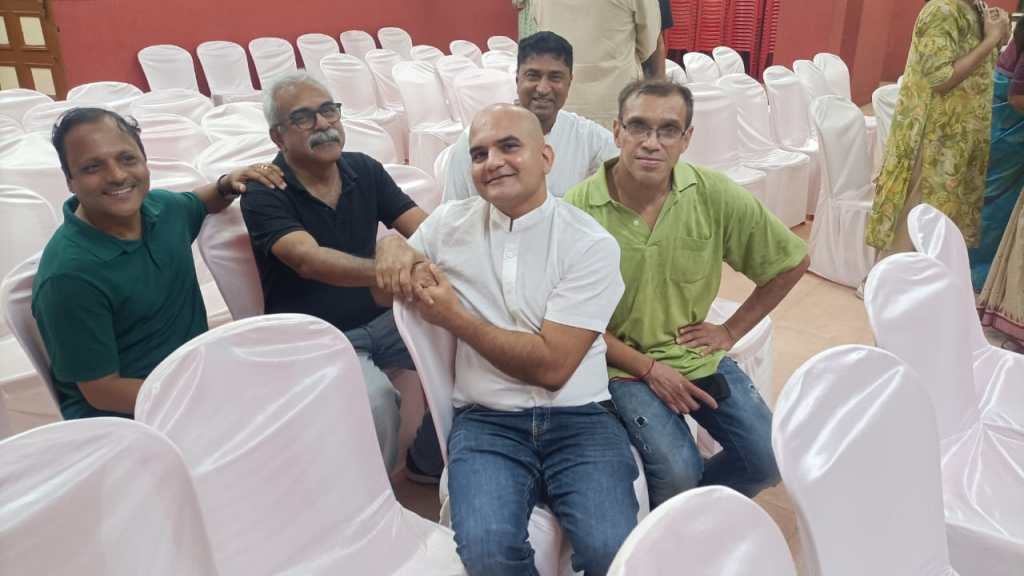
I found my old gay friends there, drifting instinctively into orbit around Ajeet Dash—the gay son—and his older brother, Ashok, the straight one. I’d left home with that faint heaviness of anticipation, and a rickshaw got me there punctually at 6.55 p.m. Bala was already up front, speaking to the brothers with that almost clownish cheer that at first struck a discordant note, like a flute in a dirge, and yet—slowly—it worked: you could see the lightness taking hold, even in Ajeet and Ashok, who began to respond to his idle, tripping mutterings, inquiring about the price of the hall for future gay events.

He was in one of his insistent selfie moods —snapping away under the cold fluorescence that made the white-upholstered chairs meld together, as the family looked on, a straight phalanx aligned discreetly to one side, while the gays, populated the other.

The flurry of photos made me think of Lexy’s routine—“Things Black People Say at a Funeral”—with its gleeful sacrilege of selfies by the coffin. But this, as Ajit had said, was a celebration; and why not? The dead have no need of our pieties, only our presence. Sopan came in presently, with Manohar in tow. Manohar, promptly whispered to me a delightful anecdote of my own self-buried past. At one of the screenings at the MAMI film festival, that we all attended religiously in the 2000s, at the Plaza Cinema in Dadar, when I’d arrived mid-movie drenched to the skin, and without compunction stripped myself almost bare in the darkness and spread my wet clothes on the empty seat beside me on the other side. I’d no recollection of it, and yet—I could see it at once, the mundane wildness intact, intact and quite in character.
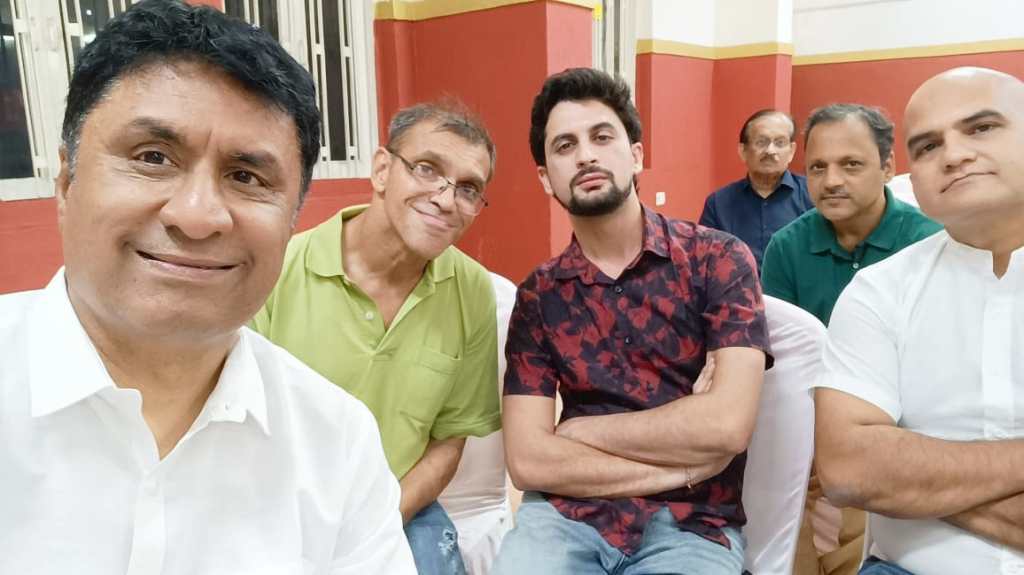
Sometimes I feel like a reformatted disk, wiped of almost everything that happened in my über-eventful life. And yet to hold Sopan’s hand, now gentler and frailer, was oddly restorative; I’ve hardly seen them at all these last years, and there was solace in the way this solemnity had pulled us back into the same room, to loiter once more in each other’s currents, especially after their move out of Mumbai to Alibag. Umang appeared—he seems to grow improbably more handsome with every sighting—his beard trimmed, hair cropped to highlight the length of his head. Hareesh came from work, drawn and subdued, pain riding in his face like an old lodger—this evening must have stirred something in him, his own mother’s absence, and lent the evening a special ache. Bala meanwhile beamed and bounded in his white linen shirt, his smile bright as the daisies, his whole body refusing the sombreness of the scene.
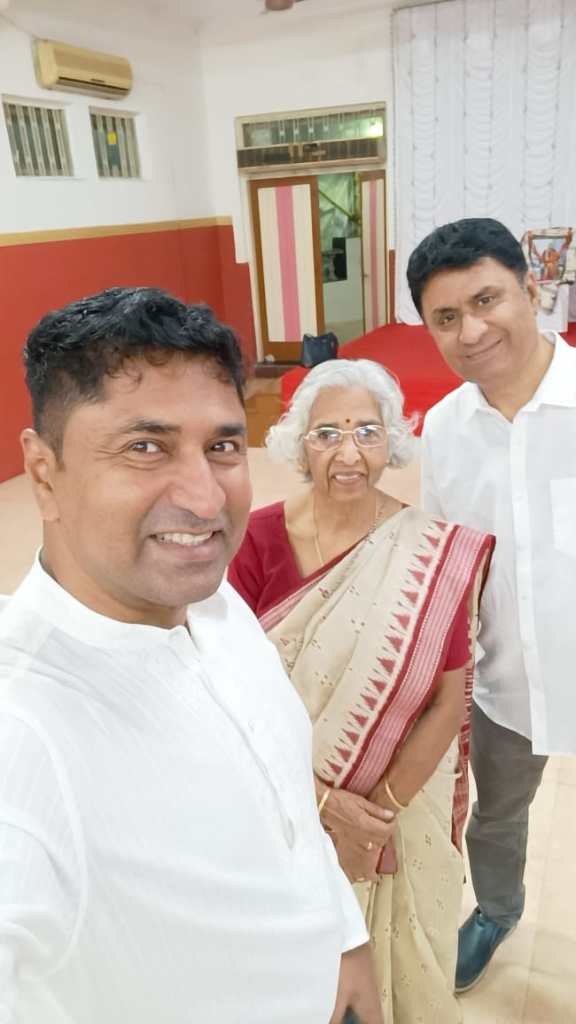
When we began GayBombay I was twenty-two and Bala already a seasoned thirty-two; now I’m forty-nine, and the thought of him, always a decade ahead on the road, has been a blessing—both his successes and mistakes clearing a safer path in life for me, in the woeful absence of worthy gay mentors on the scene. Aruna and Chitra arrived— sitting with us, a nonchalant bridge between the gay and the straight.

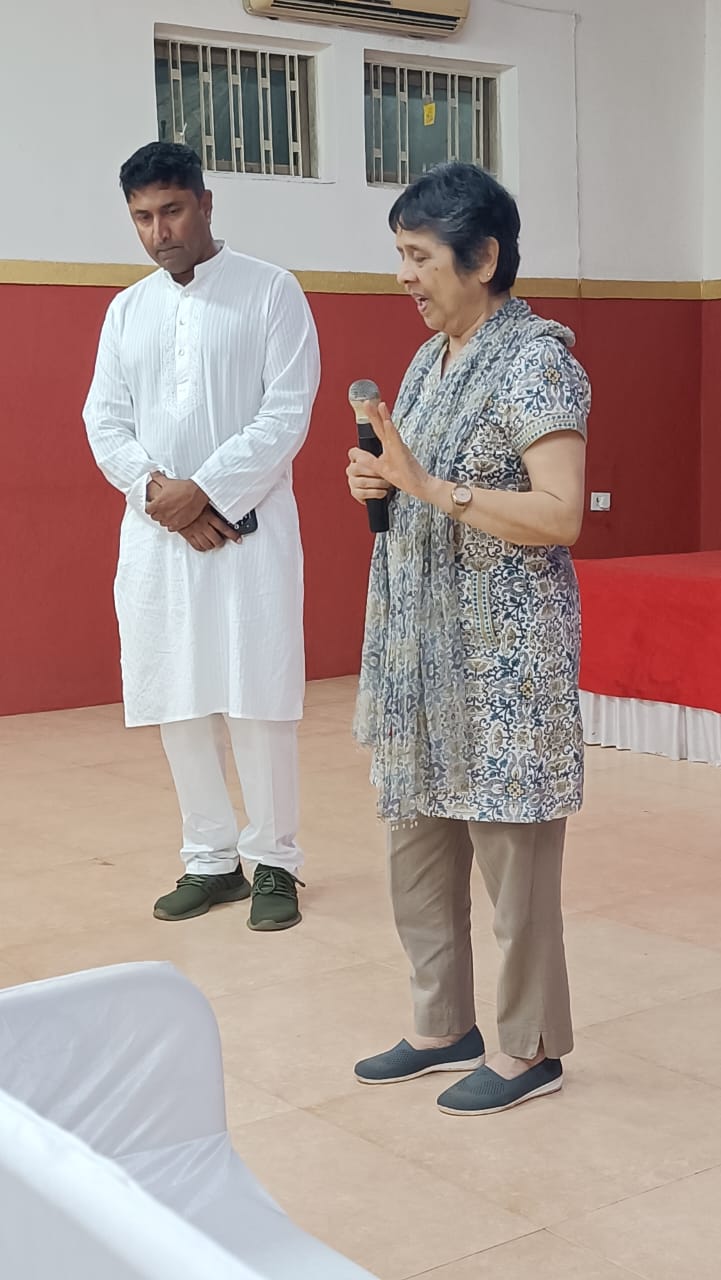
A slide-show flickered on the wall—those vivid images of the last few years crowding out the sepia past, as is always the case, given our propensity to record moments in these times. On the stage was a framed photograph of Mrs. Dash, garlanded, her face aglow with her trademark wide, unguarded smile. The sound system moaned and cracked under the bored supervision of two men who were scrolling their phones. Then Ajit rose to speak, and the meet began. Her life emerged in tessellated pieces—Kerala, where she began; Bangalore, where she met her husband; Cuttack, where she learned Odia with the ardour of a convert and built a practice in that slower terrain; Mumbai, and abroad, where the next generation flourished. You sensed, as you often do at such occasions, the general amazement at a life that had seemed so orderly while it was being lived, but the truth being never quite as such.

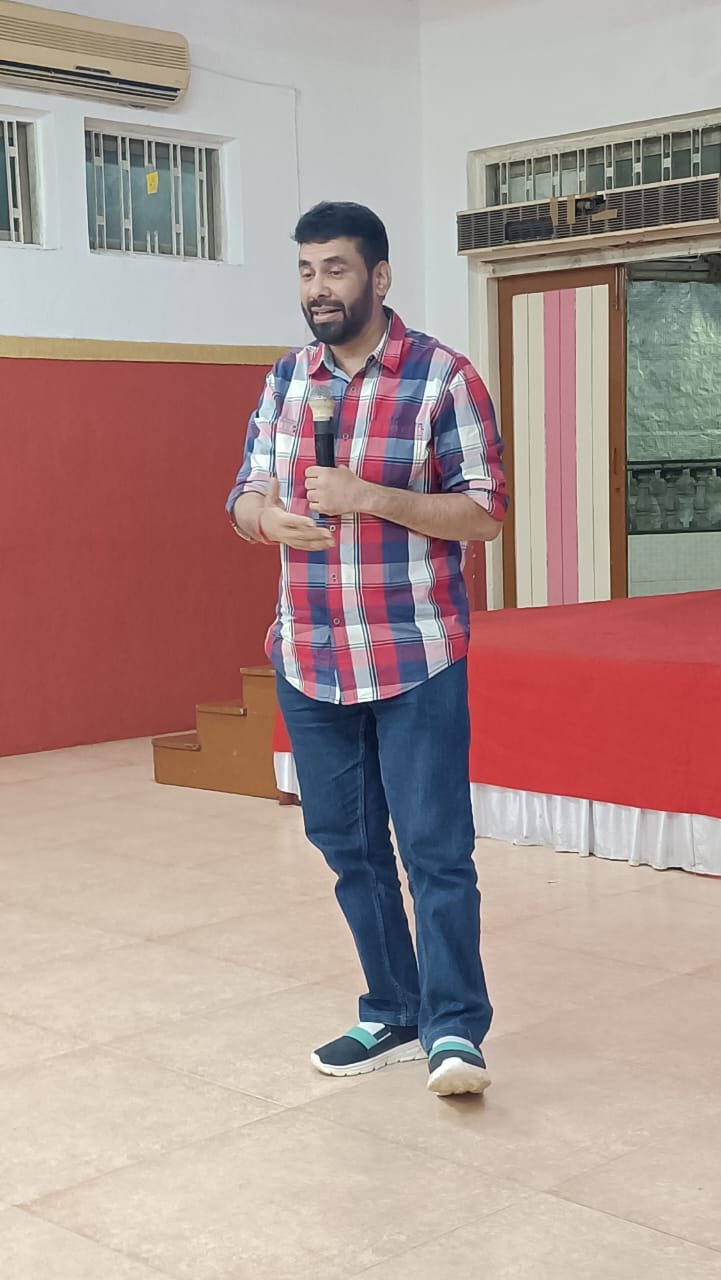
And yet for us she was—something else: a mother who had stood with her gay son. How we skipped round the words—gay, sexuality—as if they might desecrate the flower petals placed to pay homage to her in a plate under her portrait, Until Chitra, fierce little sprite, swept up to steady a microphone for Sarojini’s sister, then coolly in her own speech brought it all out into the light: the GayBombay parents’ meets, Sridhar’s workshops, the making of Sweekar—how this pragmatic yet stately woman had reasoned her way into acceptance, and then into advocacy. Umang followed, describing her calm clarity, the authority of her logic—how she lent those tremulous early meetings their raison d’etre. Aruna also paid a heartfelt tribute.

Later we queued for a buffet dinner in a room behind the hall. Taking our plates along, we sat around in a circle, chatting further. Sridhar arrived, and Sagar too. Ajit, methodical even in mourning, had charted her life into three clean chapters, ending each with a wry précis of its lesson. I admired, almost with a pang, the brotherliness of it all—the family’s tactful solidarity, their simple celebration of those ninety-three years. At one point I noticed Hareesh slip off his shoes and approach the photograph to pay his respects; after a while, I did the same.
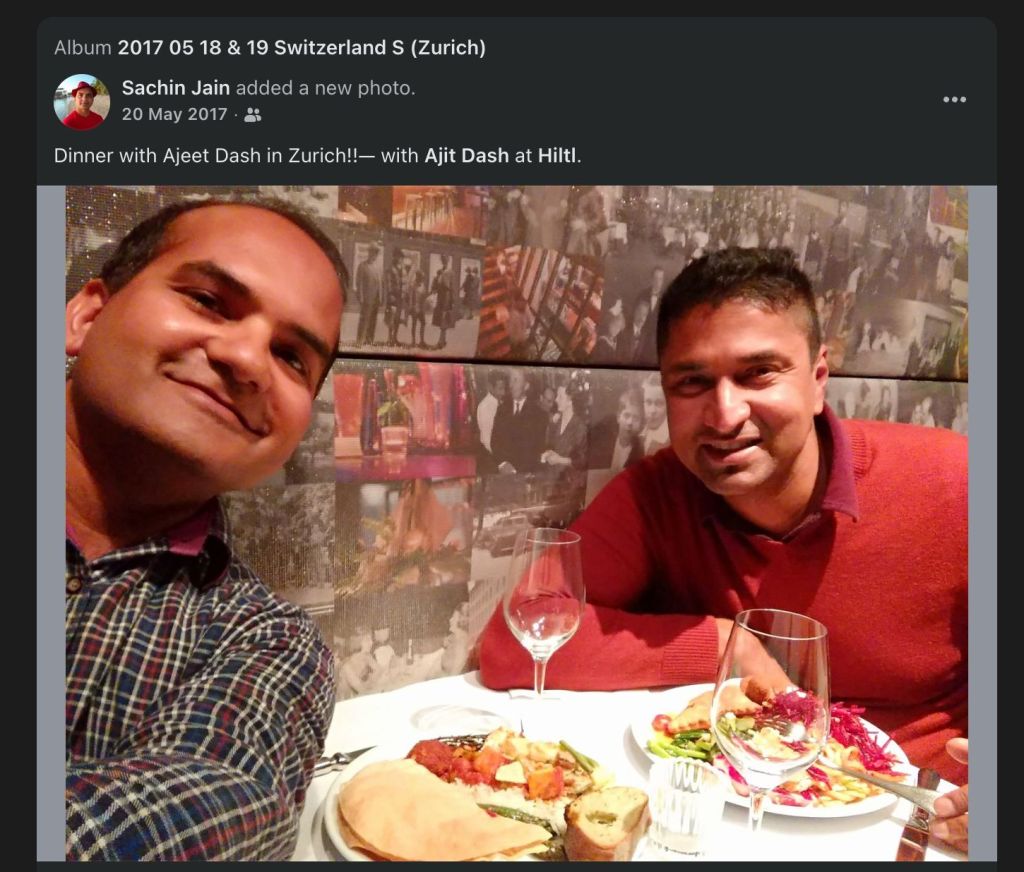
There were more photographs taken of us before the night was over, and then the hugs. Ajit remembered our dinner at Hiltl in Zurich in 2017, another memory I had totally forgotten —the vegetarian food priced by the gram! After we walked out into the overcast night, I said goodbye to Sopan and Manohar by their car, and walked the half-hour home, steeped in an elusive afterglow—the sense of some warmth long mislaid, seeping back like heat through an old radiator.


 Gay Bombay
Leave a comment